Bím Caillte | Film Screening
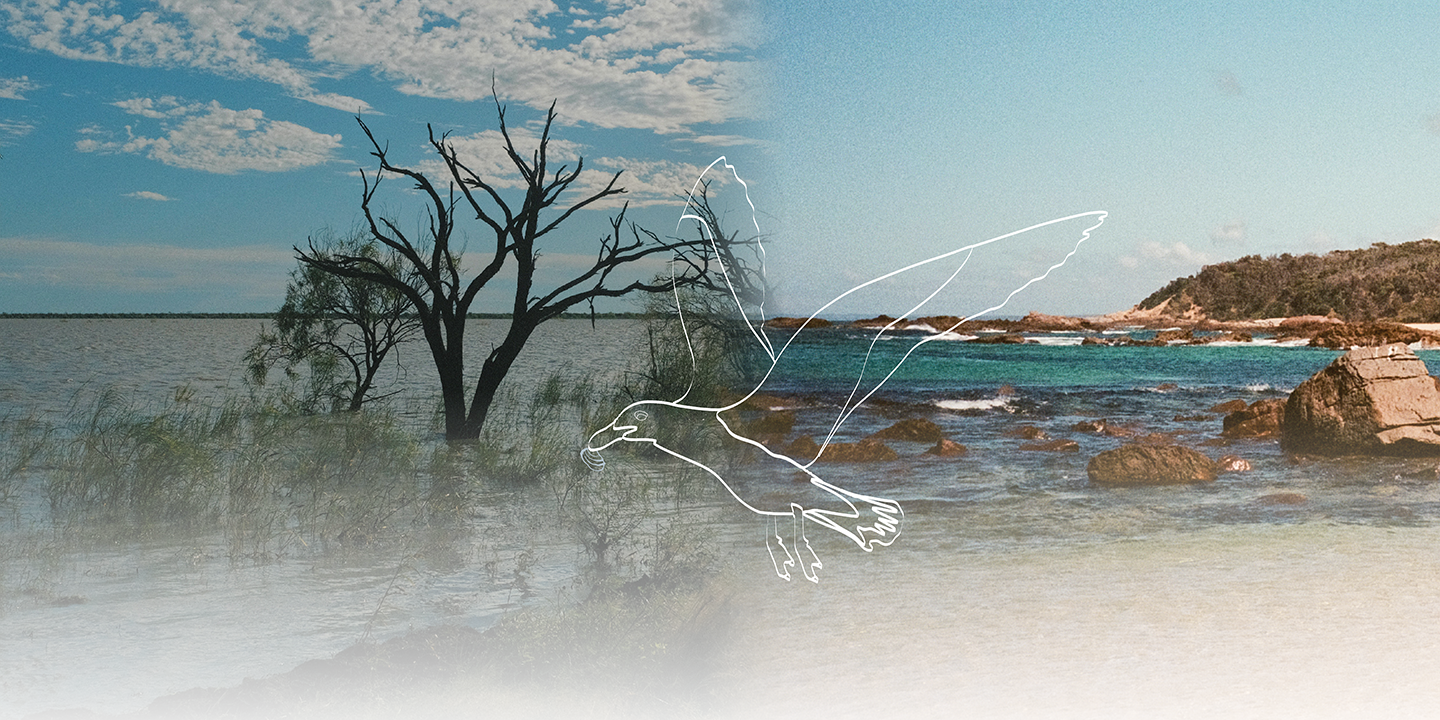
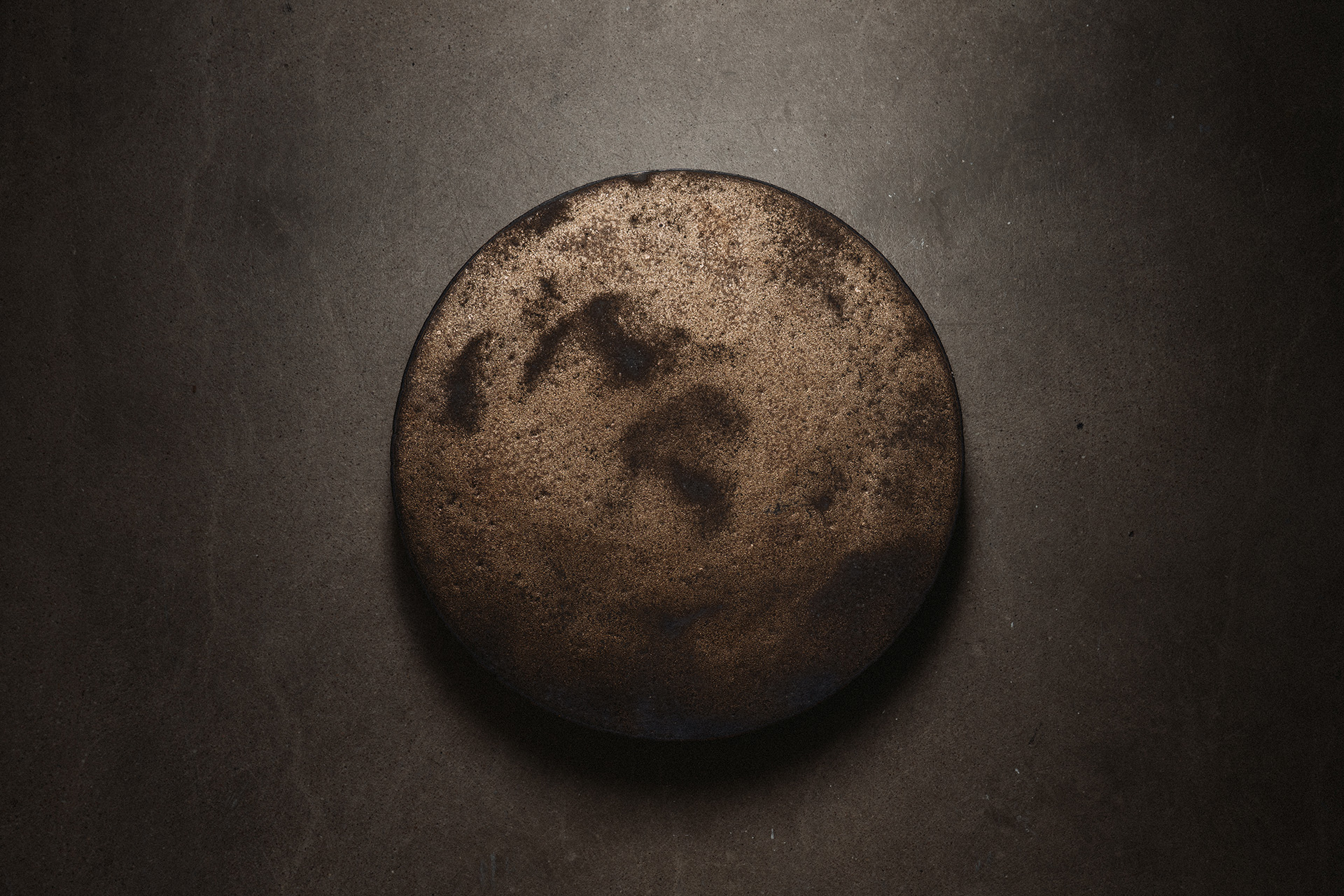
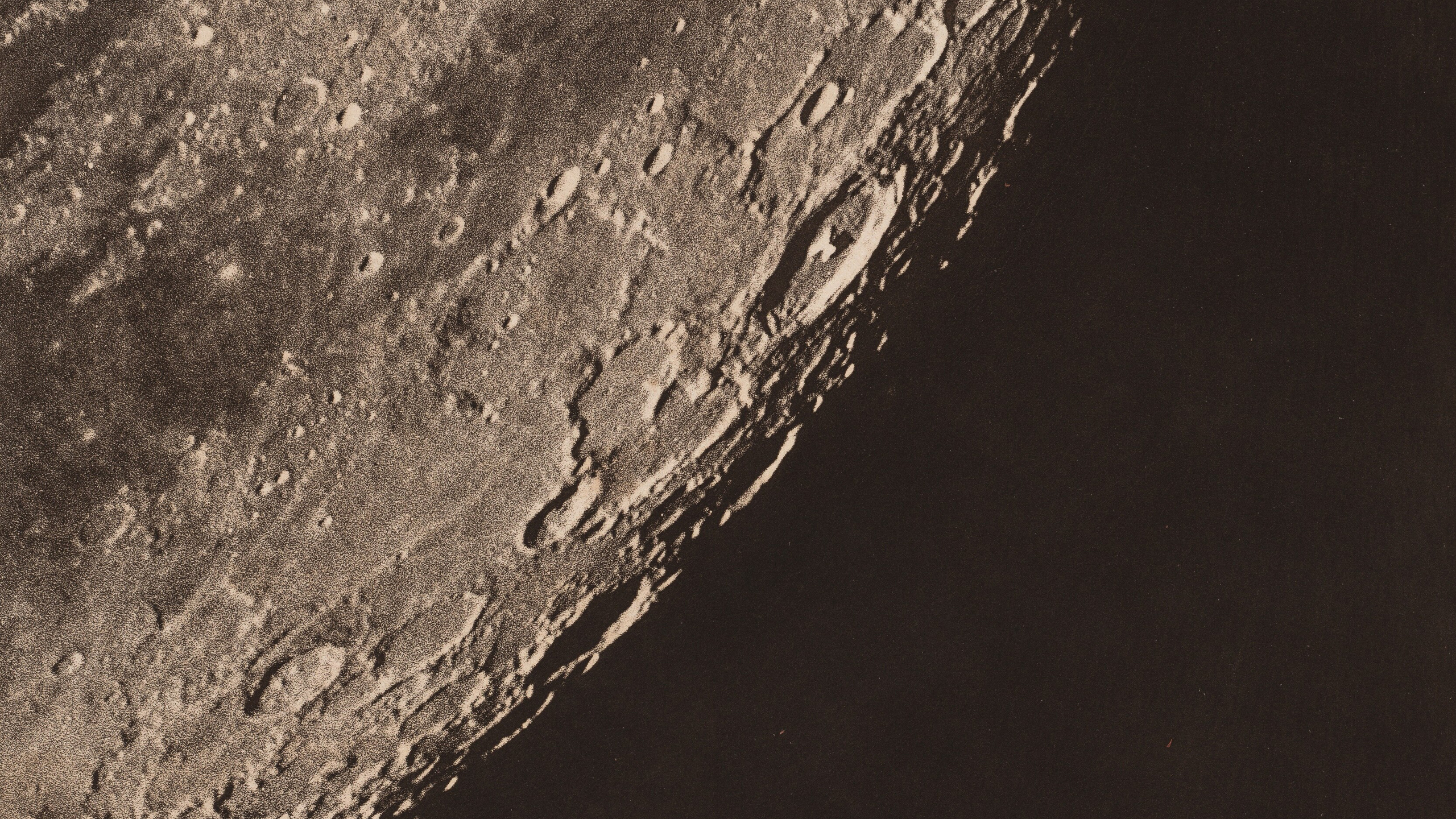
Bím Caillte is an award-winning film shot in Ireland in 2023 and currently on show at the Irish Museum of Modern Art in Dublin. The film will be screened followed by a talk with artist Jacqui Shelton.
The film follows an artist that travels to a small island to be better immersed in the colonised minority language, and is met by a dead crane and an Irish-speaking, shape-shifting horse, or púca. The púca engages the artist in a teasing conversation on family legacy, the fallacy of books, neolithic inscriptions, burial, ancestral anxieties, colonial violence and contemporary housing crisis politics. In this work, a home takes many forms, including the scaffolding of language.
This work considers the preservation of colonised languages to complicate and grapple the intersecting colonial contexts of Australia and Ireland. It engages with language and place, personal family activist histories, poetic and musical inheritance and Irish folklore.
This screening is supported by the Intermedial Composition Network (Faculty Research Hub).
Image credit for all images: Jacqui Shelton, Bím Caillte (mistranslated: I am usually, habitually, lost), 2023, digital video with stereo sound, 20:00 minutes. Courtesy of the artist.
LIVE EVENT & VENUE INFORMATION
Io Myers Studio is a part of the the Esme Timbery Creative Practice Lab (CPL) which is located at UNSW Sydney's Kensington Campus. Please note this is a live event only, and will not be available via livestream.
TICKETS
ACCESS
Wheelchair Access
The Creative Practice Lab is located at UNSW Sydney's Kensington campus. The closest accessible drop-off point to the venue is a lift accessible underground carpark opposite the building. Access via Gate 2, High Street and turn right at the round about. Vehicles can drop off patrons directly in front of the venue or proceed to the underground carpark to the right which is a 200 metre walk approximately.
More information on getting there can be found via our interactive accessibility map available here.
Hearing Loop
The Creative Practice Lab has hearing assistive technology available. Patrons wishing to utilise this service must collect a Roger™ inductive neck loop receiver from the venue staff, and this system can be used with a hearing aid or cochlear implant with a T-coil, or with headphones. Please advise if you require the use of the hearing loop before arrival.
Auslan & Captioning
Auslan interpreting services and/or live captioning can be provided for selected talks upon request.
Contact
To book and discuss access services, please call the CPL on 02 9348 2313 or email sam@unsw.edu.au.
PUBLIC TRANSPORT & PARKING
The Esme Timbery Creative Practice Lab is easily accessible via public transport and the closest light rail stop is UNSW Anzac Parade (L3 line). For more information please call the Transport Infoline on 131 500 or visit transportnsw.info.
Free parking is also available in the Barker St Car Park (Gate 14) from 5.30pm. For access to free parking, event patrons must park in the UNSW Permit Holder bays, available on all levels. The Barker St Car Park (Gate 14) parking station is located here.
Paid casual and visitor parking is offered via the CellOPark App and ‘pay by plate meters’ in all other UNSW car parks. For more information head here.
CONTACT
For all the other enquiries, please email sam@unsw.edu.au or call the Creative Practice Lab on 02 9348 2313.
The Creative Practice Lab is happy to receive phone calls via the National Relay Service. TTY users, phone 133 677, then ask for 02 9348 2313. Speak and Listen users, phone 1300 555 727 then ask for 02 9348 2313. For more information on all other relay calls visit here.
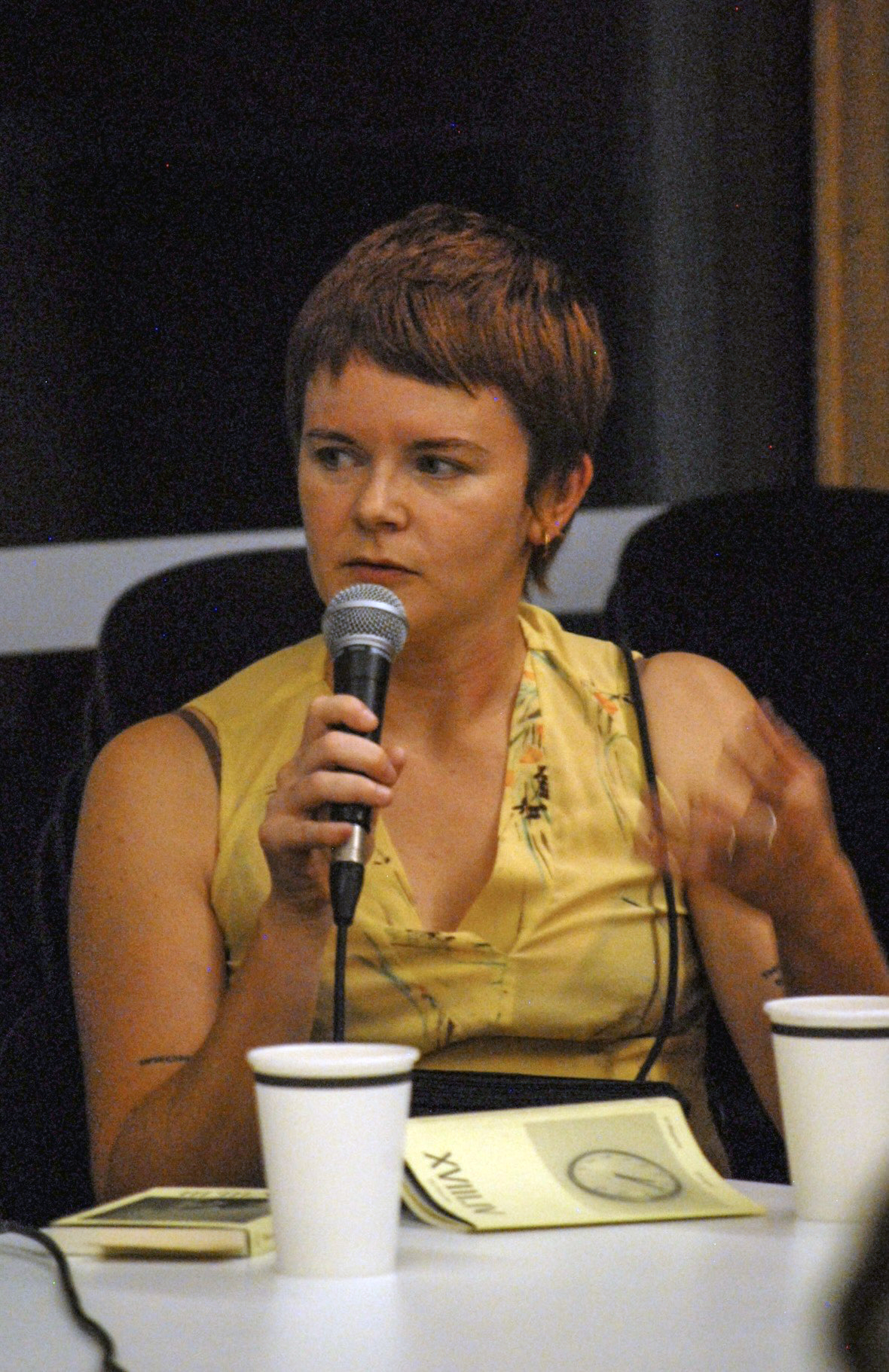
Jacqui Shelton
Artist & CuratorJacqui Shelton is an artist and curator born on Barada Barna land (Central Queensland), and based in Naarm (Melbourne). Their practice is grounded in reading, writing, and lens-based work, manifesting as short films, sound, performance, and installation. They are interested in continually testing how voice, text, language, and images work together—or undermine each other. Their work plays with voice and language to relationally implicate the connections, histories, epistemologies, cultures, and mythologies bound up in practices of speaking and song. Recent projects investigate the voicing of colonised languages to unsettle white-settler positionality in Australia, through engagement with Irish-language communities both locally and internationally.