
Data Sovereignty and Trade Agreements: Three Digital Kingdoms

22 February 2024
4.00pm – 5.00pm AEDT
UNSW Law & Justice - Staff Common Room, Level 2
This event has ended
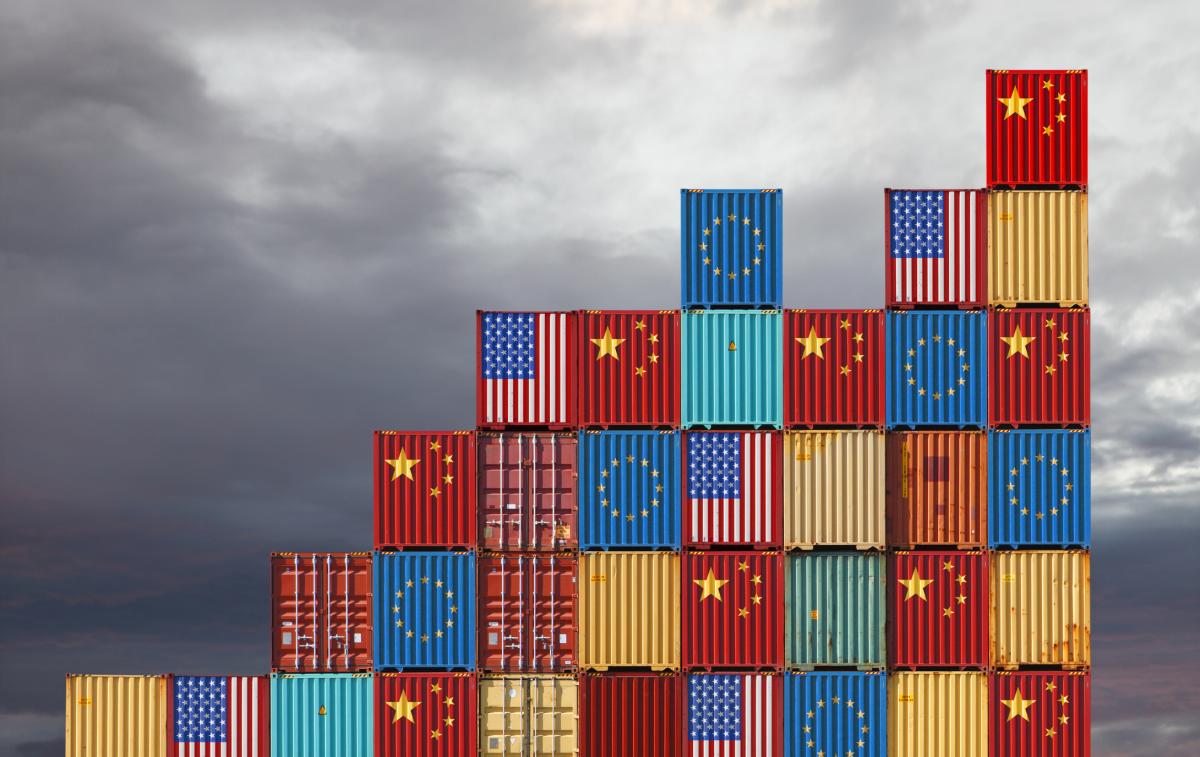
Stacks of shipping containers, painted in the flags of the US, China, and the EU

For centuries, international lawyers have wrestled with the relationship between national sovereignty and international law. This is also the case of international trade law, where the tension between trade liberalization and national sovereignty culminated in the famous “Great 1994 Sovereignty Debate” between the late Prof John Jackson and other leading scholars when the WTO came into being.

As we enter the digital age, the issue of sovereignty resurfaced once again in the form of data sovereignty. Professor Henry Gao will examine provisions in trade agreements which deal with data sovereignty issues, such as restrictions on data flow such as internet filtering and censorship; data localization requirements including the requirements to use certain technologies. In particular, the paper will focus on the clash between the US, China, and the EU, which chooses to champion the sovereignty of the firm, the state and the individual respectively. With a critical examination of their relevant policies and positions, the paper will also suggest ways the issue should be dealt with in future trade agreements.

Speakers
Portrait of Henry Gao

Professor Henry Gao

Speaker

Henry Gao is a Senior Fellow at the Centre for International Governance Innovation and Professor of Law at Singapore Management University. He sits on the Advisory Board of the WTO Chairs Program and the editorial boards of the Journal of International Economic Law and Journal of Financial Regulation. Professor Gao is a CIBEL fellow and has engaged with CIBEL researchers and activities since the centre was established in 2015.

In addition to being a regular speaker or commentator in CIBEL events, Professor Gao has worked with CIBEL Co-Director Associate Professor Weihuan Zhou in a range of quality and impactful publications covering issues relating to the US-China trade warChina’s state capitalism, industrial policy and subsidies, the WTO’s Appellate Body crisis and solutions, China’s developing country status and request for joining the CPTPP, and the nexus between trade and sustainability focusing on China’s energy transition and climate action.