More than a roof over our heads: housing as if the environment mattered
When asked to consider the topic of housing, most of us would think of it as a personal, cultural or, increasingly, as a political topic. Historiographically, housing has largely been assessed aesthetically, spatially, and geographically: as part of the broader narrative of how white Australians have colonised, inhabited, and made a ‘home’ in a foreign land. But the design and construction of shelter, much like the production of food and fuel, has long carried important environmental consequences. This paper will look at housing anew and consider a history that takes into account the environment, landscapes, and climatic conditions particular to this continent.
Given we are currently experiencing a severe housing 'crisis’ with skyrocketing prices and the largest rental shortage since pre-WWII, it is timely to re-visit the logic of the market, the lure of suburbia, the force of privatism, the shifting fortunes of town planning and the increasingly concerning and confusing state of energy grids. But beyond the responsibilities of government and the realities of housing quickly becoming an asset on a marketplace, it is also time to consider the implications of how we build, design and inhabit our houses, across the country, as both an issue of ecological and social justice, and as a tangible way of addressing the ever-present and ongoing extremes of anthropogenic climate change.
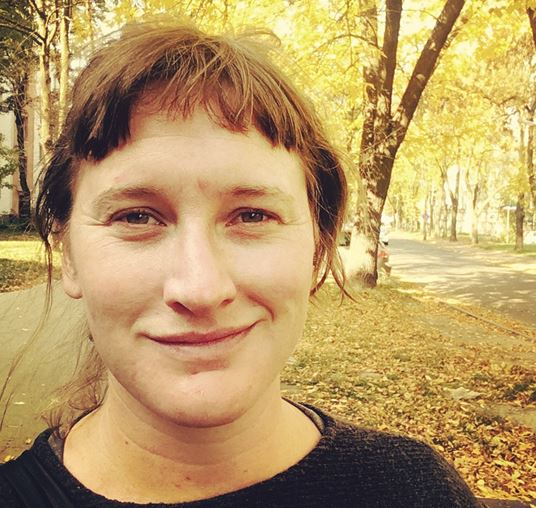
Dr Rachel Goldlust
SpeakerDr Rachel Goldlust completed her Ph.D. at La Trobe University in 2020 having traced the history of self-sufficient living in Australia from the late 19th Century. Her thesis is a social and environmental history of the ongoing attraction of urban dwellers to connect with the land by going "Off-Grid". Prior to commencing her Ph.D, Rachel undertook a Masters in Social Sciences from RMIT University in Melbourne, with a focus on sustainable planning. She then worked as a municipal town planner and taught environmental education, particularly looking at passive solar design and better-suited housing for Australian climes. Rachel is looking to combine her interests through post-Doctoral research on an environmental history of Australian housing. She is passionate about oral history, environmental and social justice, building design, travel, storytelling and bringing sustainable living ideas to wider audiences through her work and writing