Be Fruitful and Multiply? Anglican Justifications for Fertility-Manipulation Schemes in Interwar England

3 November 2021
6.00pm – 7.00pm AEDT
Online
This event has ended
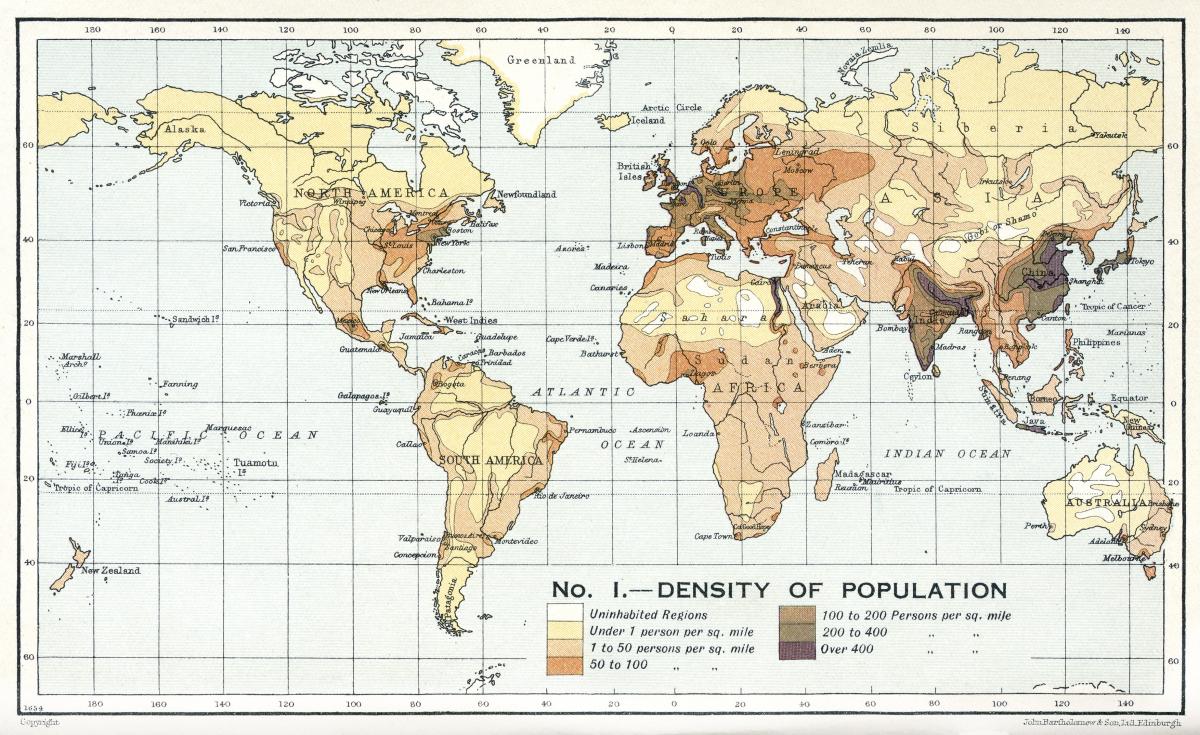
map of the world

In 1930, the Church of England became the first major Christian denomination in Europe or North America to formally condone the use of birth control. The Bishop of Winchester, Theodore Woods, led the reform campaign, and he did so for the expressed purpose of encouraging an increase in the birthrate amongst the English middle and upper classes.

Drawing upon Woods as a case study, this paper explores the moral logic offered by Anglican leaders on behalf of their widespread efforts to manipulate both the 'quantity' and ‘quality’ of the English population during the interwar period. As it will show, such efforts were often justified as a means of tangibly combating 'erroneous' conceptions of human purpose, or the matter of to what ends a person ought to direct their life. I conclude by examining how the moral framework utilized by Woods and other Anglican leaders might help explain the pervasiveness and enduring appeal of fertility-manipulation schemes amongst religious and nonreligious actors in England (and beyond) during the first half of the twentieth century.

About the speaker: Andrew Moeller is a DPhil student in Modern British History at the University of Oxford, and he previously served as a Christian minister for eight years. Andrew’s research interests center on two broad and interrelated topics. The first is the ways in which religious bodies responded to, and interacted with, societal trends and scientific claims that seemed to have been at odds with historic religious beliefs. The second is eugenics and population control measures. Bringing these two areas of research together, he is currently interested in the moral justification used by religious leaders to support attempts to limit or increase the fertility of specific segments of the British population during the twentieth century.