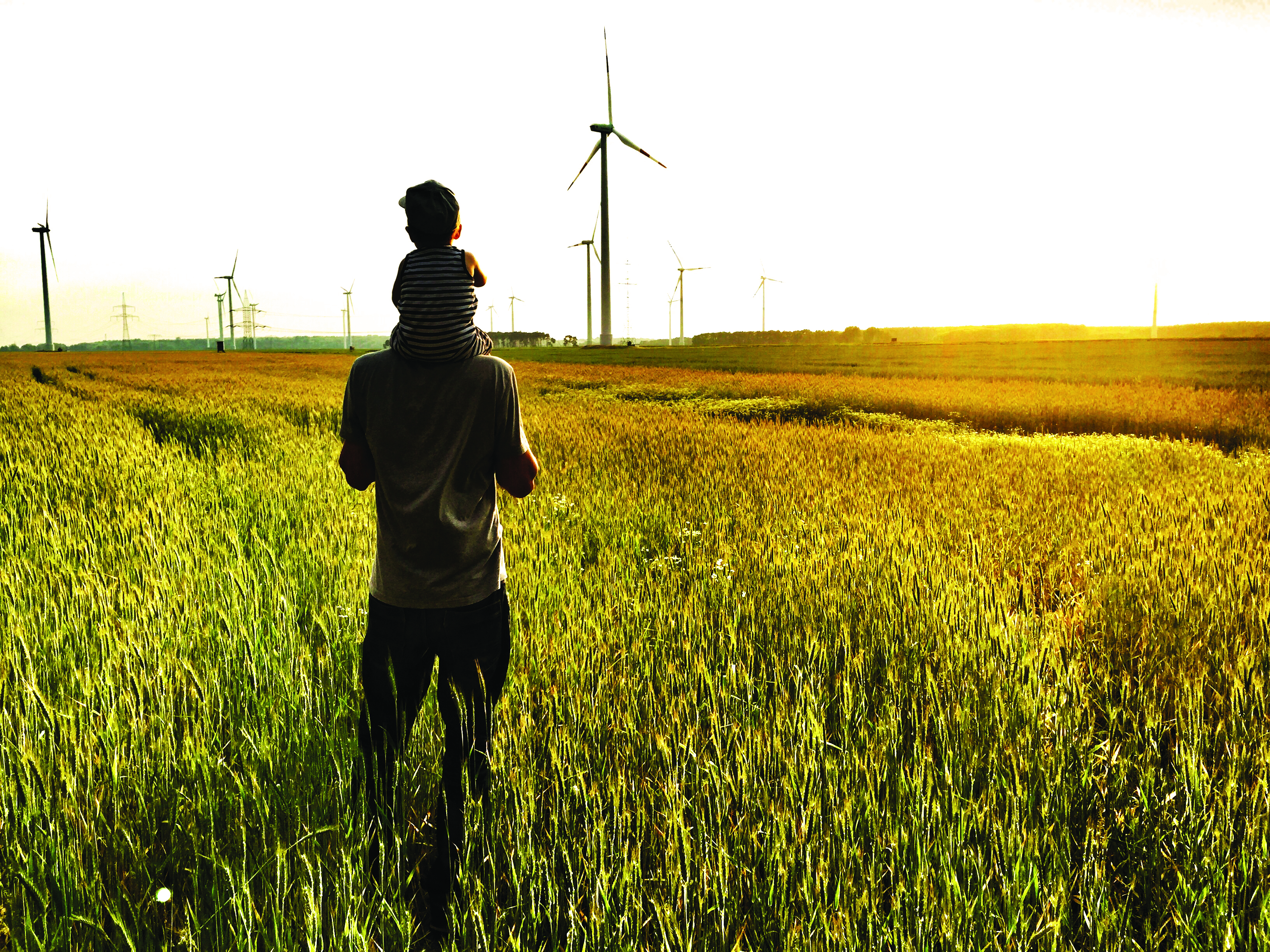
Climate change is one of the greatest moral challenges of our time, yet our current politics has failed to deliver any meaningful policy response. Whilst some of this is the product of a lack of political leadership, there are also legitimate concerns about what effective action on climate would mean for the economic well-being of low-income Australians, their access to affordable transport and energy, and the competitiveness of Australian industry.
Climate change refers to changes in the characteristics of the climate system that persist over an extended period of time, typically decades or longer. On the other hand, climate variability is defined as the deviations in the mean state and other climatic statistics over a given period when compared to long-term statistics.
Race and schools in the US and Australia today.
Equal access to quality education is critical to ensuring broader social, political and economic equality. Yet there are persistent gaps in educational access and outcomes based on socio-economic background, and race, in both the US and Australia.
Join Megan Davis, Justin Driver and Adrian Piccoli to discuss what needs to change to address these gaps. Hosted by the Grand Challenge on Inequality.
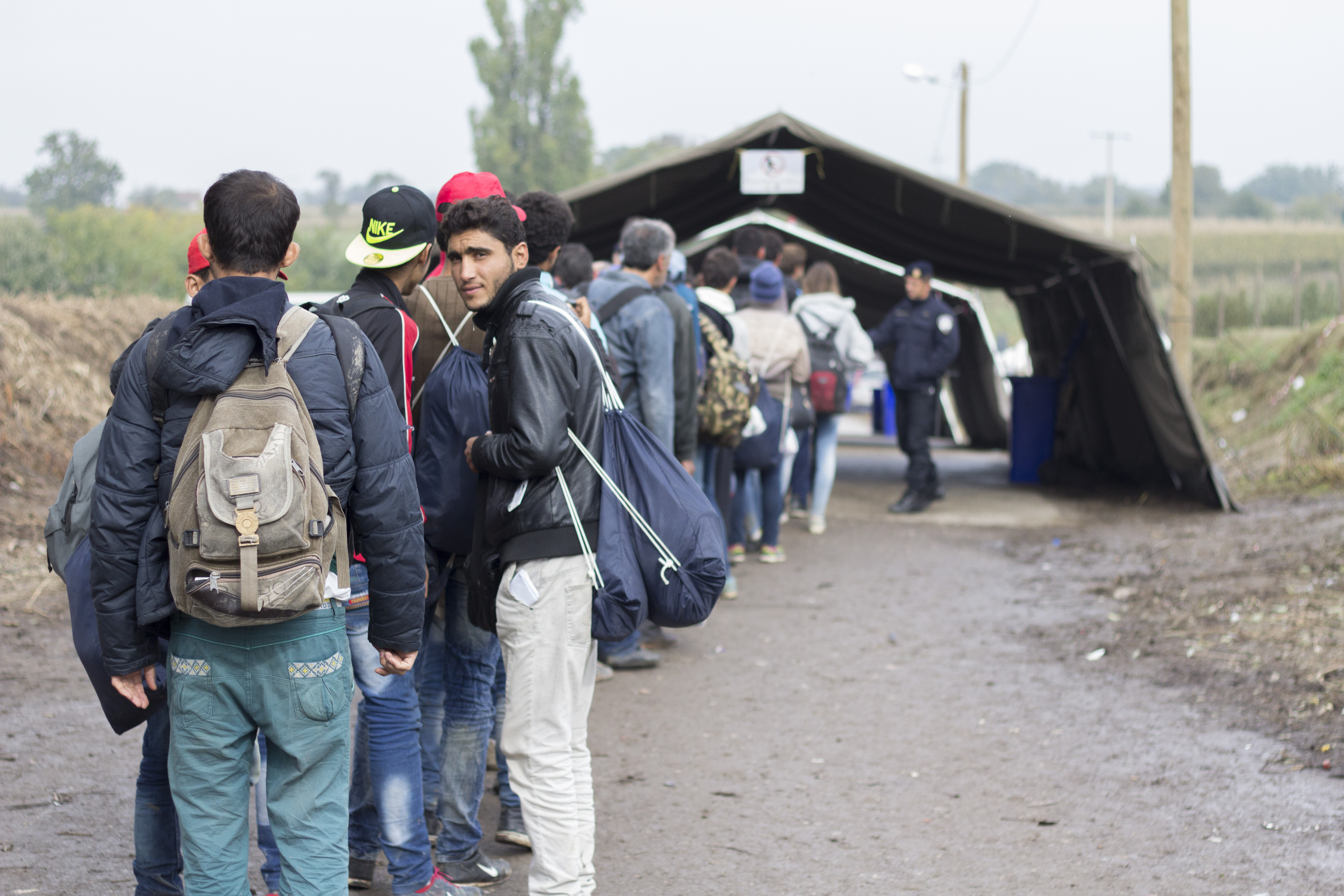
Everyday bordering, autochthonic politics and the double crisis of governability and governmentality.
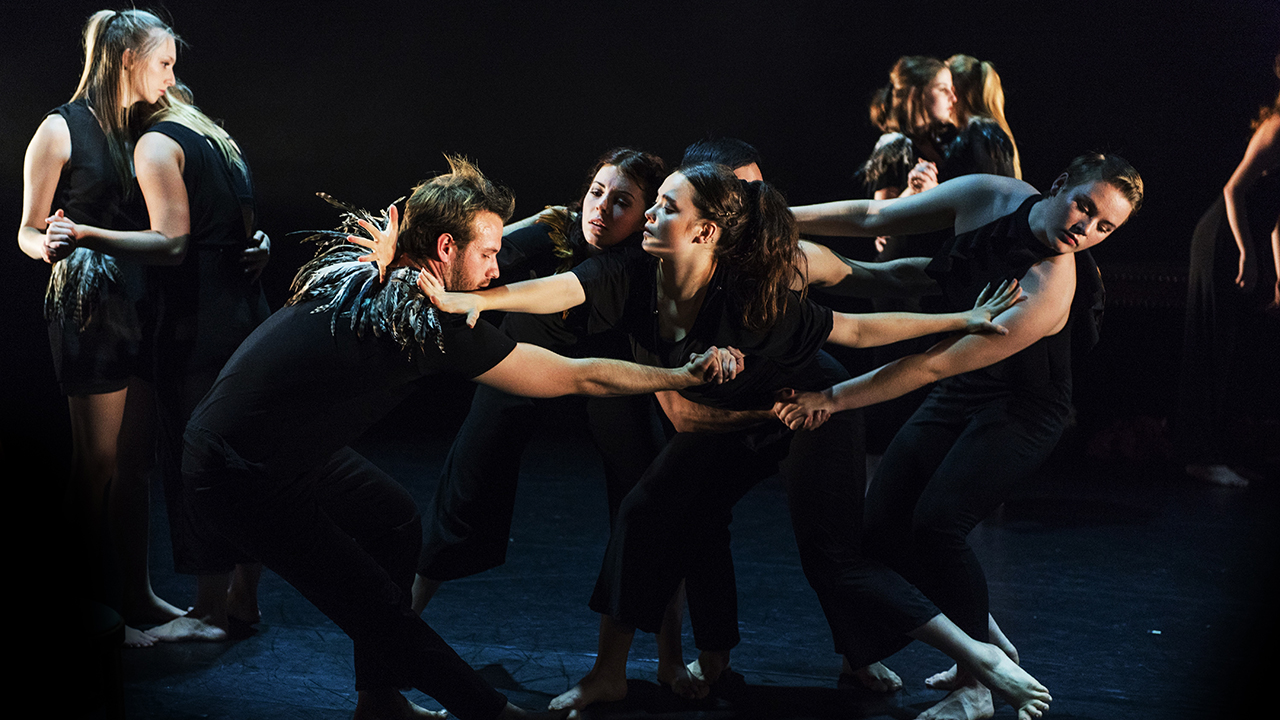
UNSW Creative Practice Lab is pleased to co-present LINK Dance Company 2018 from WAAPA with a selection of dance works by Australian choreographers Richard Cilli, Emma Fishwick, Tobiah Booth-Remmers and Michael Whaites.
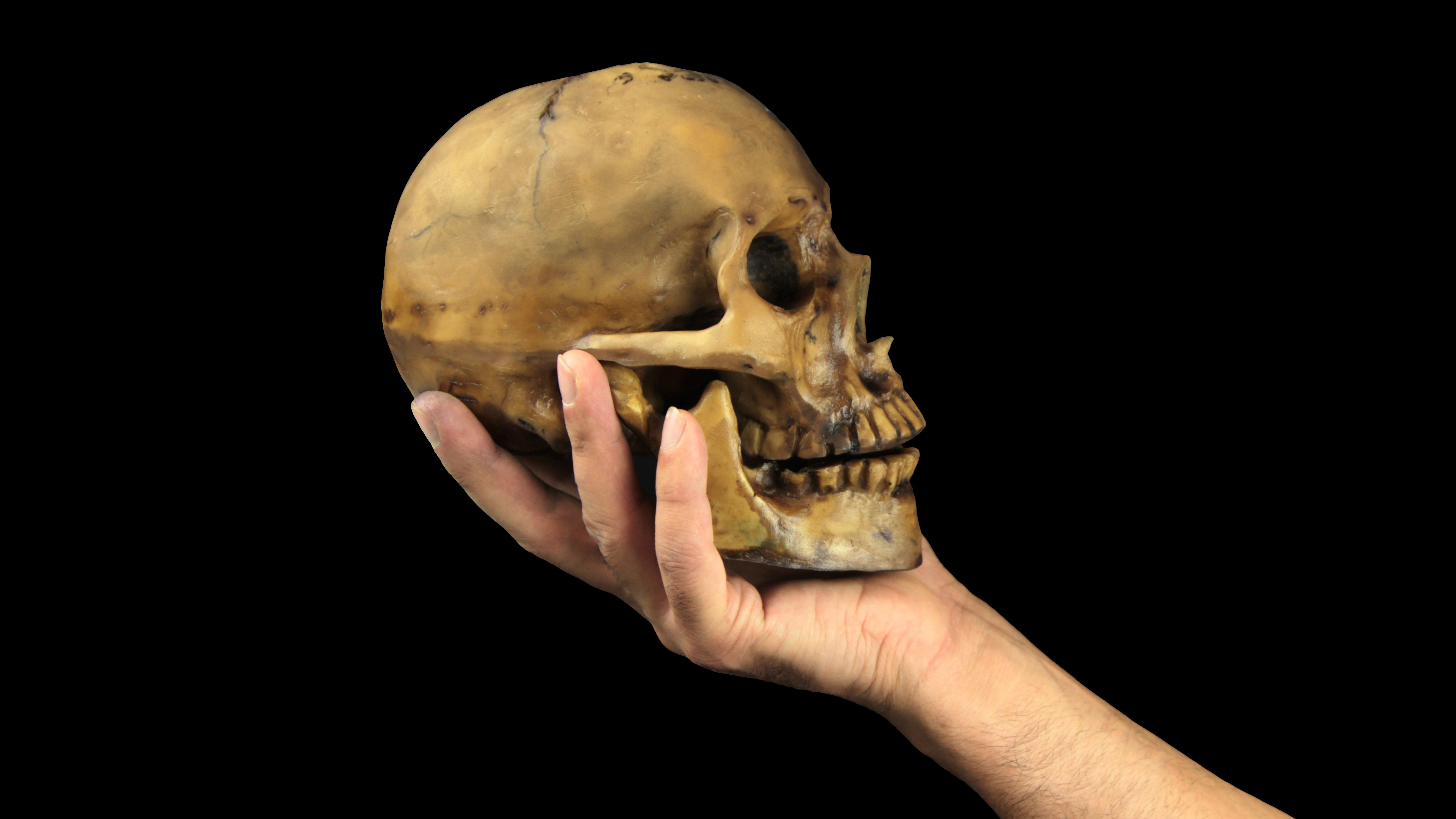
In his plays, William Shakespeare often refers to objects visible in the night sky. He talks about stars, planets, comets and meteors, and makes great use of astronomical imagery. But what did Shakespeare know about the astronomical thought of his own time – a time when science as we know it today was only just coming into existence? Was he influenced by Galileo and Copernicus? Did he directly, or indirectly, bring the new ideas of science into his works?
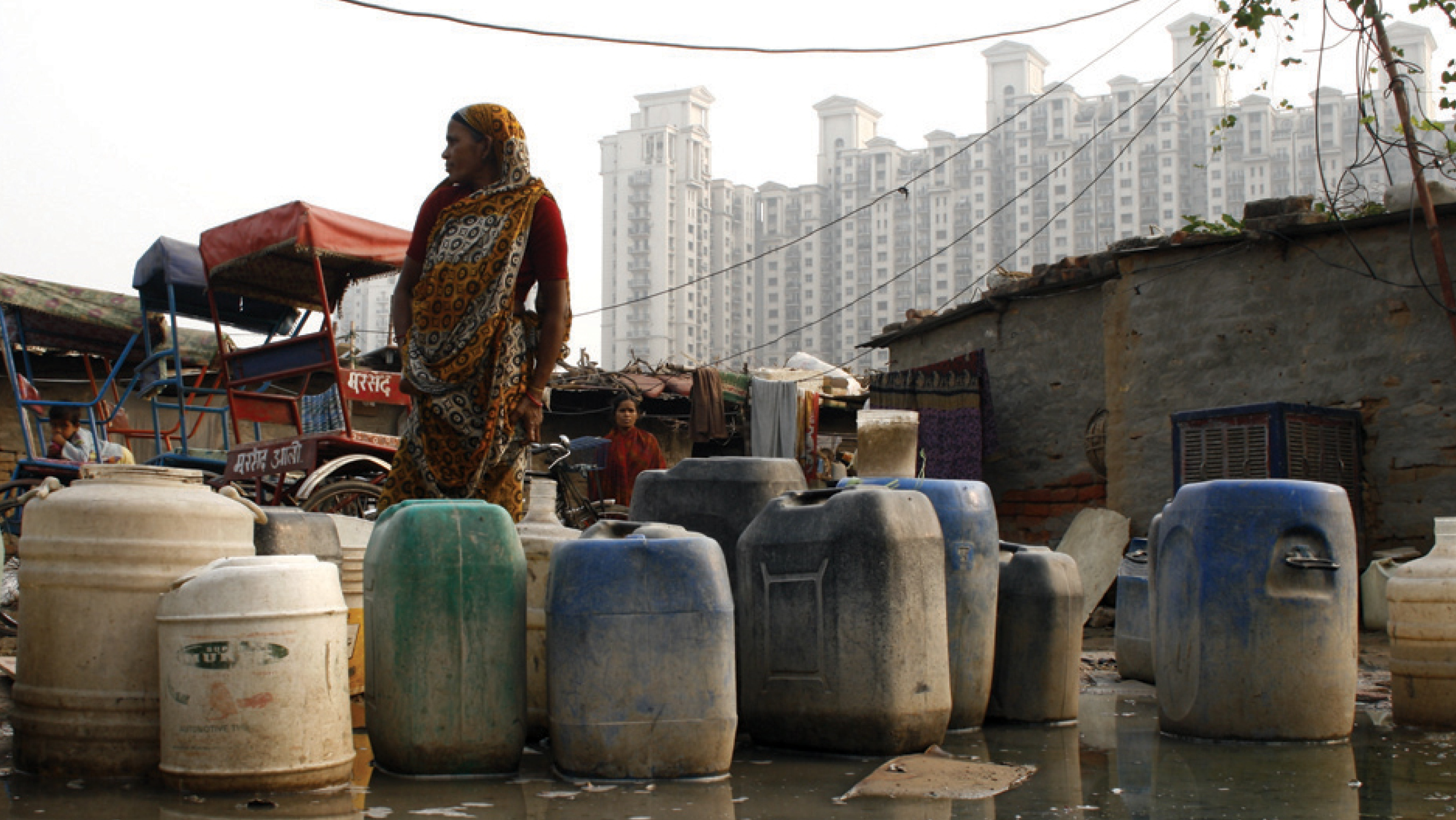
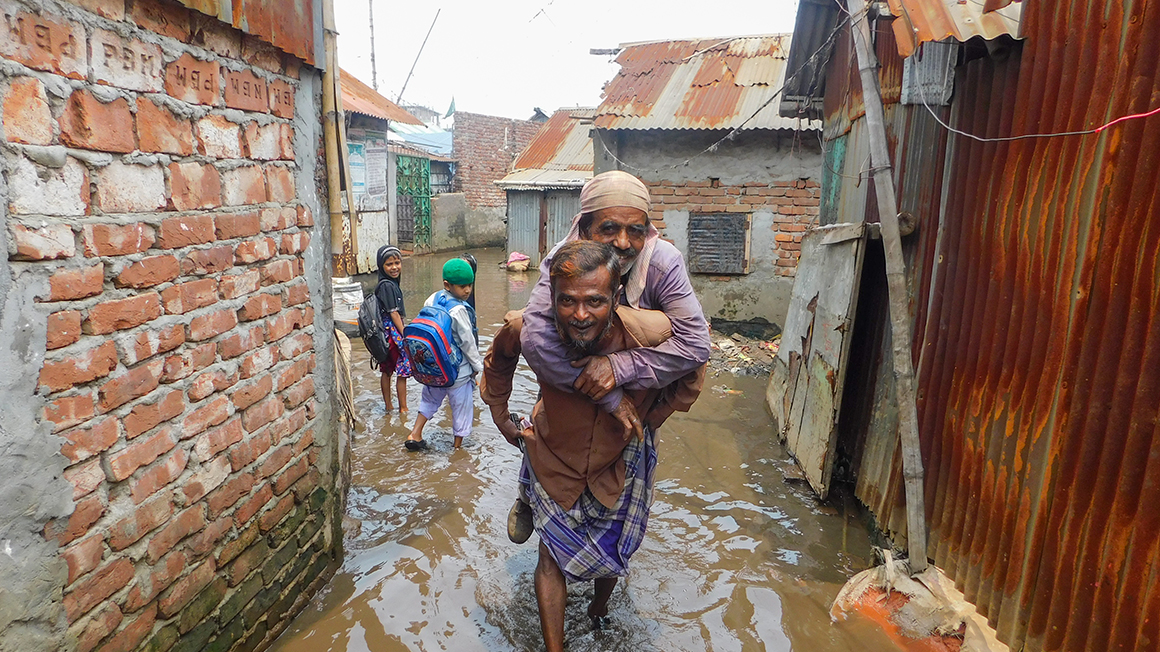
This two-day international conference, co-hosted by UNSW, Arup, Australia Red Cross and the South Asia Institute at Harvard University; invites practitioners, researchers and decision-makers from all disciplines to present, discuss, debate and recommend realisable social, physical, political and economic measures that build resilience in the Asia Pacific region.
Please join us for the final Utzon Lecture for 2018 and Annual Judith Neilson Lecture
Reducing risk, building resilience
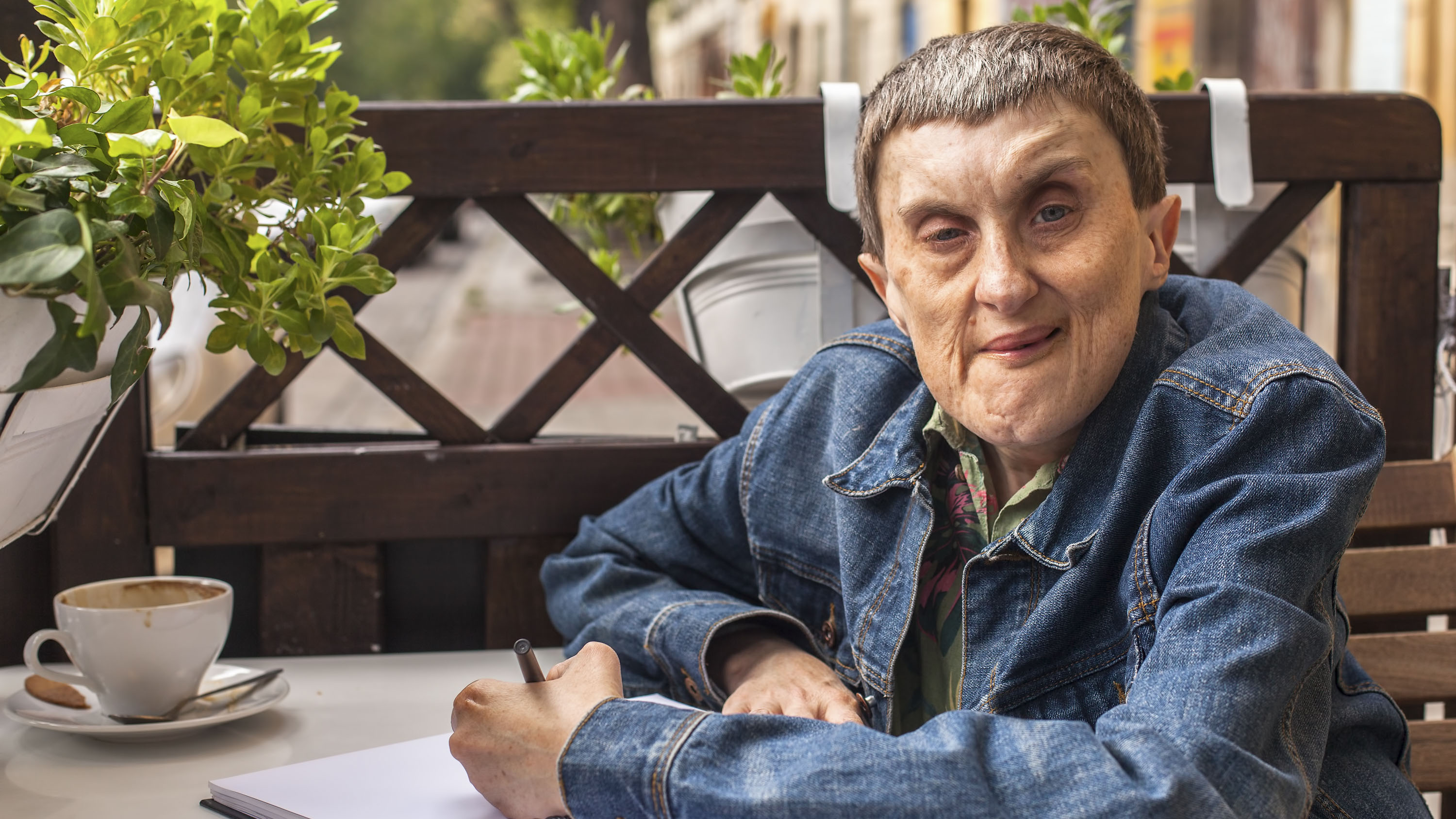
Improving the health and life expectancy of Australian people with intellectual disability.
Imagine waking up every day knowing that your life expectancy is on average more than 25 years less than the rest of the population. And that you are twice as likely to die from a potentially avoidable cause than someone in the general population!
That’s the reality for Australian’s living with an intellectual disability.
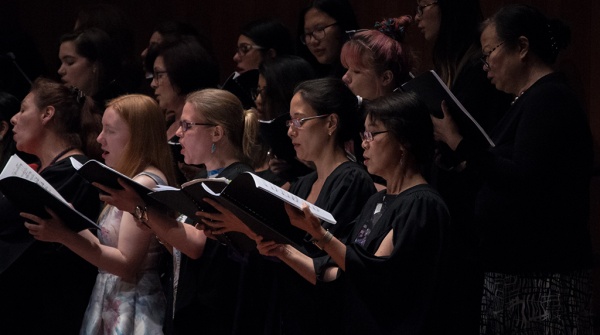
The Collegium Musicum Choir’s second program for the year includes the liturgical works of Alexander Grechaninov and Anton Bruckner.
Grechaninov Et in Terra Pax
Arensky Three Quartets
Bruckner te Deum
More information
Location: Sir John Clancy Auditorium, UNSW (Building C24) Venue Map
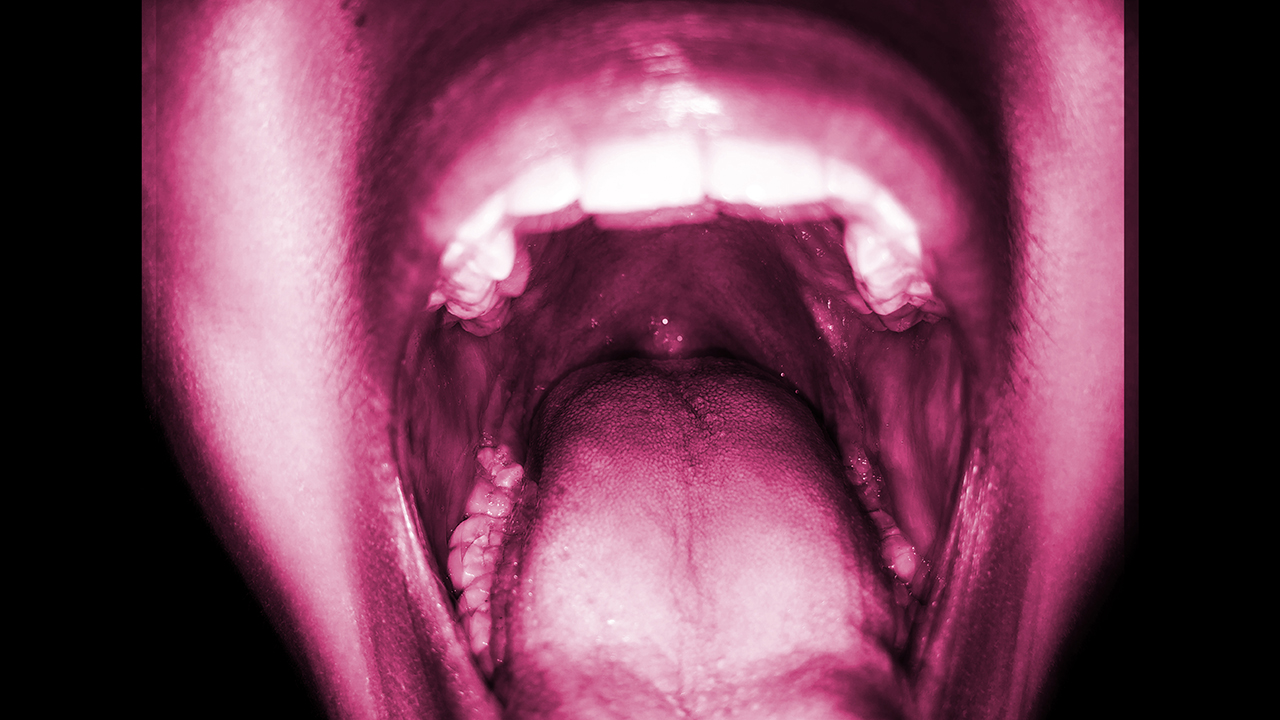
Gustatory gumption.
Muffin topped misogyny.
Coffee order. Milk disorder.
Operatic backlash.
Experience the live in a night of outrageous experiment as ten solo performance makers take us into the guts of it all and show us how to really eat the world.
Wear protective clothing...